Our Location
No.503 Xingguo Road, Yuhang Economic and
Technological Development Zone, Hangzhou

No.503 Xingguo Road, Yuhang Economic and
Technological Development Zone, Hangzhou

Learn how to select a three-phase reference standard meter by accuracy, stability, voltage and current range, traceability, communication, and field use.
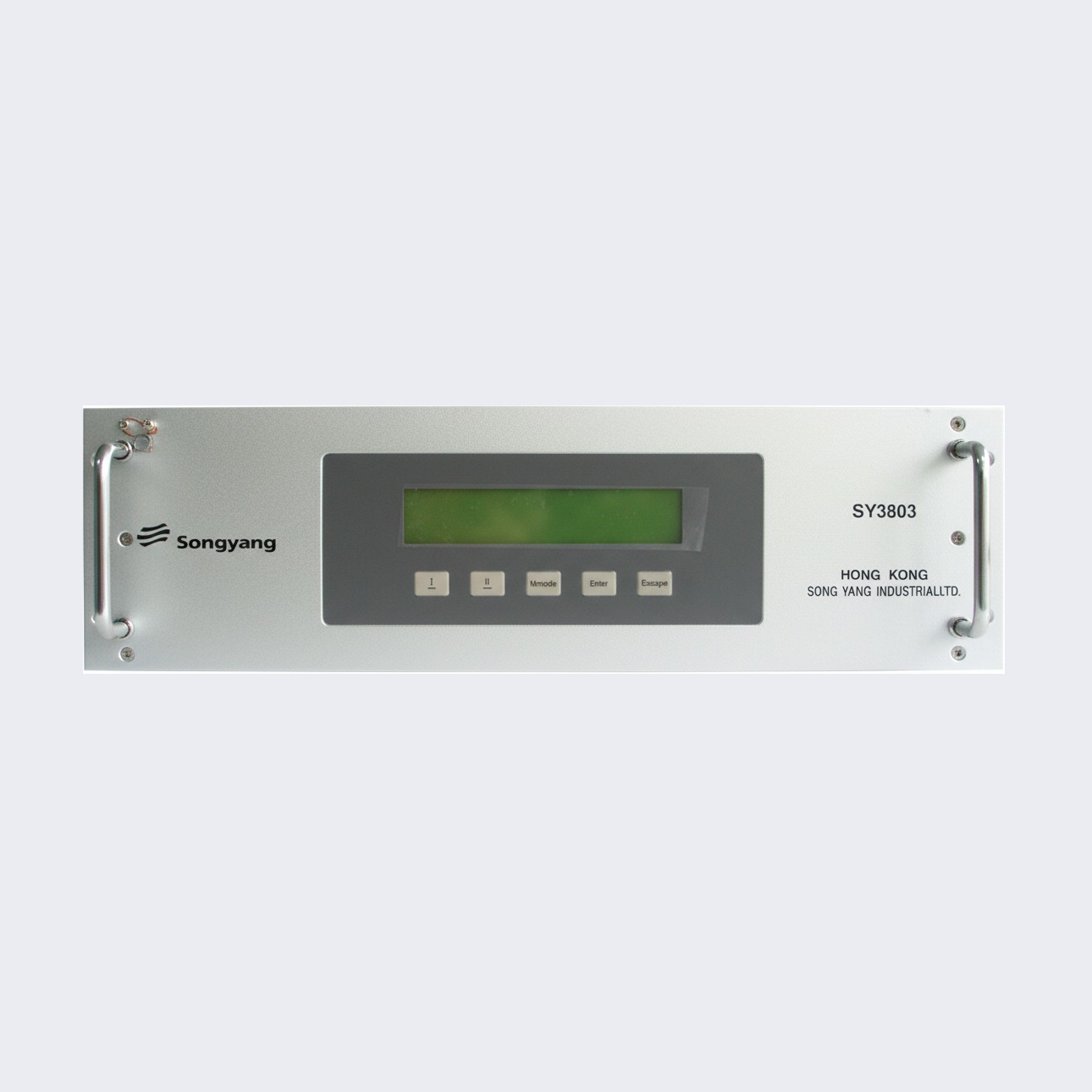
A three-phase reference standard meter is the comparison reference used in energy meter calibration, test benches, and on-site verification. Its stability and traceability directly affect the reliability of every measurement result produced by the system.
A reference standard meter measures voltage, current, power, phase angle, frequency, and energy with high accuracy. In a test bench, it provides the known value against which production meters or laboratory instruments are compared.
Depending on the model, a reference standard meter may support active, reactive, and apparent power, multiple phase connections, harmonic measurement, waveform display, pulse input and output, and data logging.
Accuracy class is the first specification most buyers examine, but it should not be the only one. Consider long-term stability, temperature coefficient, linearity, resolution, repeatability, warm-up time, and calibration uncertainty.
A reference standard with a lower accuracy class may still provide a better overall result if its stability, traceability, and operating range match the application. The complete uncertainty budget should include the reference meter, source, connections, pulse measurement, environment, and test procedure.
Define the meter types and test points to be covered. A flexible standard should support low-current starting tests, high-current tests, direct and transformer-operated inputs, different voltage levels, and phase-shifted power factors.
For laboratory use, consider whether automatic range switching and internal shunt or clamp inputs are required. For field work, portability, battery operation, rugged connections, and display quality become more important.
A laboratory reference standard is normally installed in a rack or integrated into a test bench. It may provide very high accuracy, multiple communication ports, and detailed analysis functions.
A portable unit is used for on-site verification and troubleshooting. It must remain accurate while handling temperature changes, vibration, long leads, and different wiring configurations. A three-phase onsite calibrator can combine reference measurement with power-quality analysis.
Reference equipment must be calibrated at planned intervals by an accredited or otherwise traceable laboratory. Calibration certificates should state the test points, uncertainty, environmental conditions, and the reference devices used.
Users should also document the calibration hierarchy down to the instrument under test. A stable reference with an expired or incomplete calibration record cannot provide the evidence required by a quality system.
Modern reference meters may communicate through Ethernet, USB, serial, Wi-Fi, or dedicated interfaces. Software should support automatic test sequences, comparison tables, uncertainty calculations, report generation, and data export.
For meter production, integration with a test bench or automatic calibration line is important. For field work, local storage and simple report generation often matter more.
Some portable standards are suitable for both, but laboratory instruments often provide higher accuracy and more analysis functions. Field instruments prioritize portability, ruggedness, and battery life.
Select a standard that is significantly more accurate and stable than the meter under test, then confirm the requirement through an uncertainty budget and applicable test standard.
The interval depends on the manufacturer’s recommendation, usage, observed stability, and quality-system requirements. Annual calibration is common for critical reference equipment.
For model selection and application support, review our three-phase reference standard meter or contact us.
A rack-mounted reference standard is usually the better choice for a permanent laboratory or production bench. It can remain powered in a controlled environment, connect directly to the test system, and support high-volume automated testing.
A portable standard is better when the same instrument must be transported between substations, factories, or service sites. Users should review weight, battery life, lead compensation, clamp accuracy, display visibility, and protection against accidental connection errors.
Request a demonstration using representative test points and wiring conditions. This is often more useful than comparing specification tables alone.
